Rescue Centres Are Already Full. Where Would 12,000 Hounds Go?

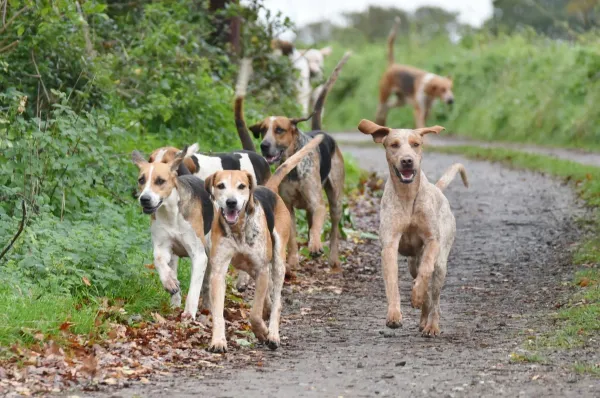
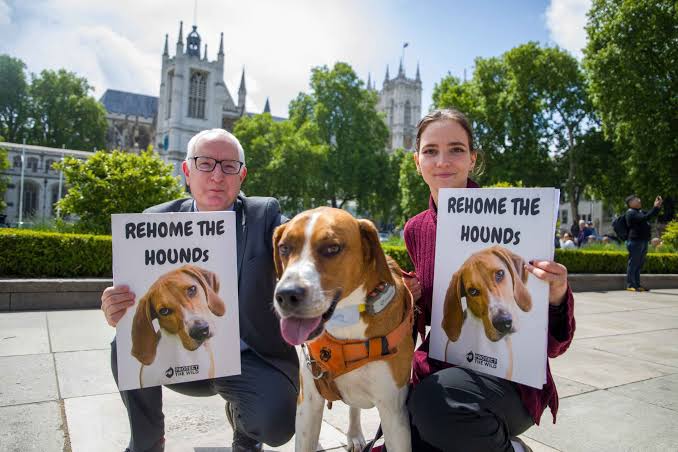
Protect the Wild’s Rehome the Hounds campaign accuses hunts of weaponising foxhounds and insists these pack animals can thrive in private homes. If trail hunting were banned, an estimated 12,000 hounds in Britain’s registered packs would need somewhere to go. The campaign’s answer? Ask rescue centres to take them.
To a reader who doesn’t know how pack hounds live and what they need, that might sound convincing. But the rescue sector the campaign is relying on has just made the case against it.
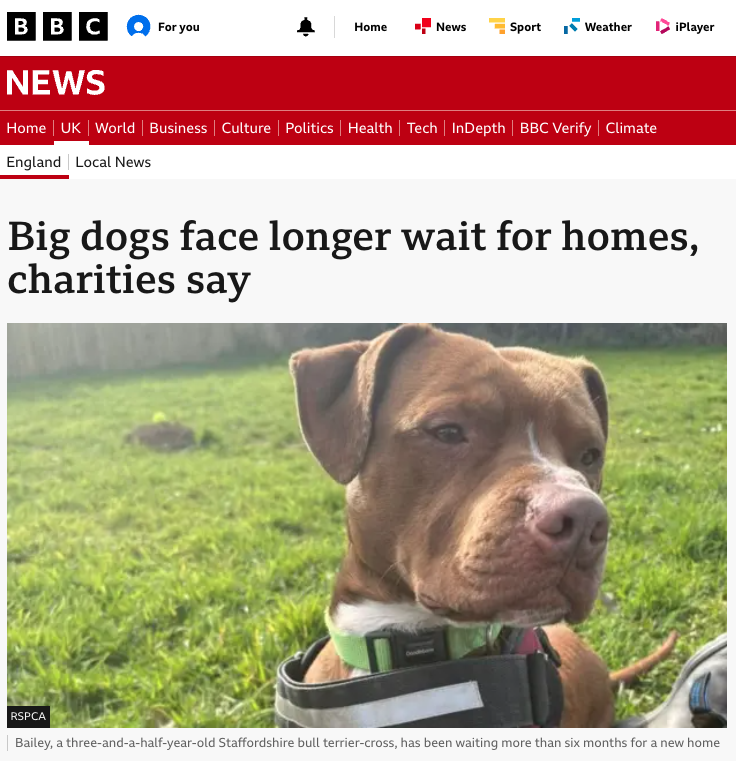
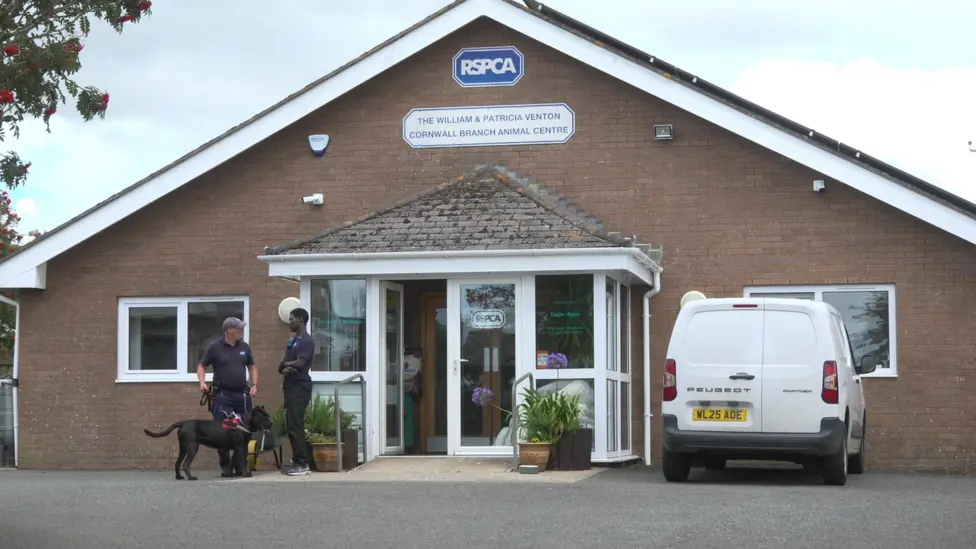
A BBC report last week found rescue centres across the South West struggling to rehome large dogs. Woodside Animal Sanctuary in Plymouth said its kennels were full, with more than 40 large dogs waiting to come in. The RSPCA Cornwall Animal Centre said big dogs now wait six months or more for a home, up to seven times longer than smaller breeds, and called it part of a wider rehoming crisis.
The reasons are just as telling. Woodside’s senior manager, Debbie Haynes, said people are giving up large dogs because they can no longer afford them, with vets’ fees among the biggest costs. Staff added that many need extra training before they can be rehomed.
Foxhounds tick every box. They are large, energetic dogs bred to live and work as a pack. They are not a natural fit for a family home, and they would land in a system that, by its own account, is already full.
That is the flaw at the heart of the campaign. Its plan depends entirely on rescue centres, whether they take on hounds, foster them or run phased rehoming with hunts. Those same centres are now reporting full kennels and growing waiting lists for exactly this kind of dog.
None of this means a hound can never make a good pet. With the right owner, some do. But the campaign’s website showcases a handful of rehoming stories, and it asks rescues to pledge support without a word on how centres already at capacity would absorb thousands more large dogs.
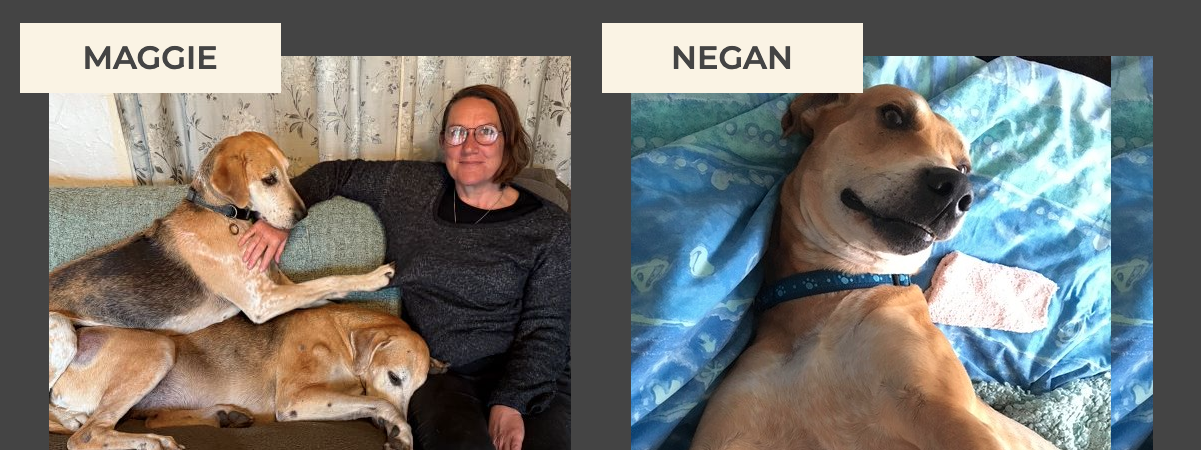
Even its launch story makes the point. The featured owner is an experienced dog fosterer, one of her two hounds came to her through a rescue, and she walks the other for two hours a day. It is a loving home, certainly, but it is not a blueprint for 12,000 more. It also leans on the very rescue network that is now telling the BBC it is full.
For an organisation that claims to protect animals, the lack of a credible plan speaks volumes. Rehome the Hounds is less about the welfare of hounds than about borrowing the language of welfare to pursue one goal: banning a legal activity. If it got its way, the hounds, and the rescue centres left to pick up the pieces, would pay the price.