Lest We Forget - Unless You’re a Hunt Saboteur

Two very different Novembers in the countryside
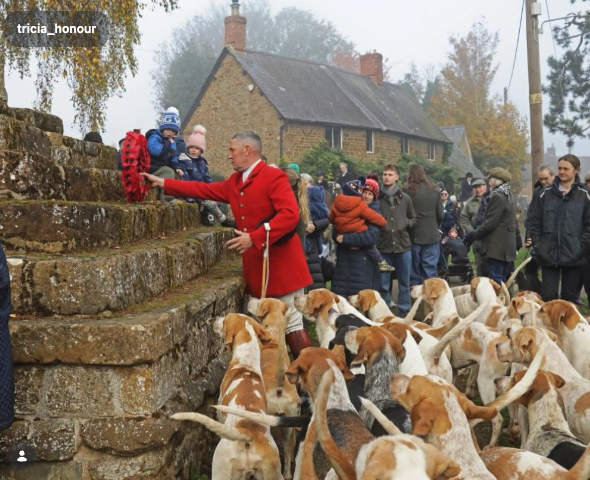
Every November, rural Britain stops to remember. On Remembrance Sunday, and again at 11am yesterday for Armistice Day, villages across the country gathered at their war memorials for those who never came home. Hunts were there too, as they always are.
At the Bicester Hunt’s annual Remembrance Meet on Sunday, the master laid a wreath. Yesterday the Cotswold Hunt stood in silence “to remember those who lost their lives for our freedom”, and signed off its post with the words every village memorial knows: “We will remember them.”
Remembrance is part of rural life
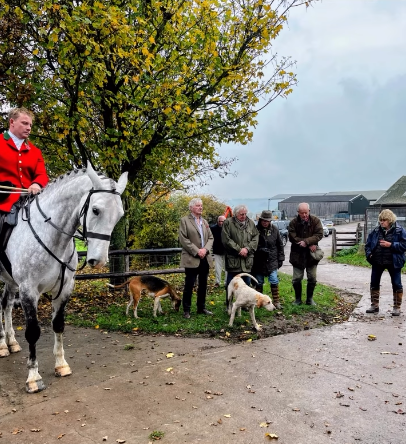
None of this is new. Hunting and military service have been tied together for more than a century. When war came in 1914, hunt servants across the country swapped scarlet for khaki. Masters, whippers-in and grooms joined up together. Many never came home, and their hunts lost masters and young men alike in the first months of the fighting.
Their names are carved on the same village memorials that hunts gather at every November. In a market town, a farming parish or a moorland hamlet, the names on the memorial aren’t strangers. They are great-grandfathers, the farmer’s son from up the lane, the lad who worked in the kennels. The families still live in the same houses and sit in the same pews.
That is why Remembrance means so much in the countryside. It rests on values rural people try to live by every day: duty to something bigger than yourself, loyalty to your neighbours, respect for those who went before, and gratitude that isn’t conditional on politics. When a hunt stands in silence at 11am, it isn’t putting on a show. People are paying a debt they know they owe.
And the sabs?
Sab groups were out across the whole of Remembrance week. Among many others, Northants sabs were out on Saturday 7 November, sabs were in the field near Cirencester on Remembrance Sunday itself, and on Armistice Day, Three Counties Hunt Saboteurs were out again.
Some sabs certainly hadn’t forgotten what day it was. On Remembrance Sunday, Brighton Hunt Saboteurs spent the afternoon following the Chiddingfold, Leconfield and Cowdray Hunt in West Sussex, then posted under the headline “Disgraceful Chid disrespect Remembrance Sunday!”
West Sussex Hunt Sabs put out a “hunt alert” accusing the hunt of being out “while the nation remembered the fallen”, and Surrey Hunt Sabs shared it with: “The Chid have been found out hunting this afternoon On Remembrance Sunday!!”
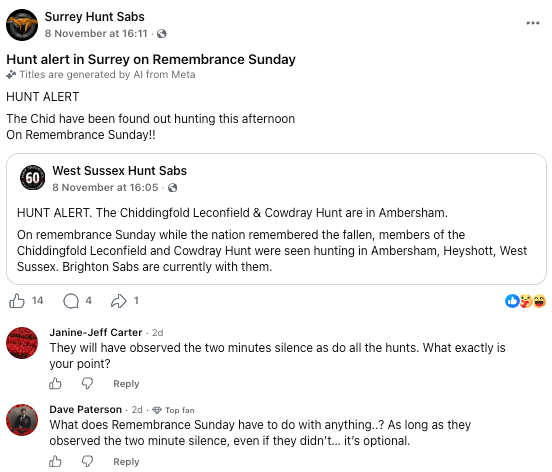
The hunt had, in fact, stood in silence for two minutes that day. The sabs’ posts didn’t mention it. The sabs only brought up Remembrance to attack the hunt, on a day they’d spent chasing it themselves.
Nor is the wider movement shy about taking aim at the Armed Forces when it suits. Protect the Wild, which buys body cams, drones and other kit for sab groups, has campaigned against hunting on Ministry of Defence land, with an animation narrated by Chris Packham. The Royal Artillery Hunt is a regular target, and the group describes it as a hunt that “murders foxes on MoD land”.
An ideology without roots
This goes deeper than one weekend. Much of today’s sab movement shares its outlook with the radical, anti-establishment fringe: suspicious of the police, contemptuous of tradition, and openly happy to break the law when it thinks the cause justifies it. One of its best-known cheerleaders, Chris Packham, made a whole Channel 4 documentary asking whether it is time to break the law.
Ask what a movement stands for and you learn a lot. Ask what it chooses to ignore and you learn even more. For rural communities, Remembrance is a moment when politics is set aside and the whole community stands together. For a movement that defines itself by opposing the countryside’s institutions and traditions, it was just another day in the field.
Its view of those institutions is no secret. Last month the Hunt Saboteurs Association said that sabs had spent decades documenting police “hostility and outright contempt”. Protect the Wild has suggested that ministers kept hunting on MoD land so as not to be seen “stopping their military pals from getting their sick kicks”.
Even Dale Vince’s club forgot
The pattern reaches the anti-hunting movement’s best-known backers. Dale Vince, the green energy tycoon and Labour donor, has long put his money behind activist causes. He matched donations pound for pound to an anti-hunt crowdfunder in 2022, promoting footage that hunt sabs shared, and was a key funder of Just Stop Oil.
This week his football club, Forest Green Rovers, had to explain why it failed to mark Remembrance at its nearest home game. Clubs across English football hold a minute’s silence at the home fixture closest to Remembrance Sunday. Forest Green’s was against Harrogate Town on 31 October, and it passed without any tribute at all.
Supporters noticed. When the club posted footage of its players observing a silence before their FA Cup tie at Luton the following week, the replies were full of fans asking why the same hadn’t happened at the New Lawn. The club’s chief executive, Dane Vince, the owner’s son, put it down to a “human error/mistake”. He said the club runs a large matchday planning sheet covering events such as Remembrance and Veganuary.
We take the club at its word that it was a mistake. But it says something about priorities when a club that famously never forgets Veganuary somehow loses track of Remembrance.
Two sets of values
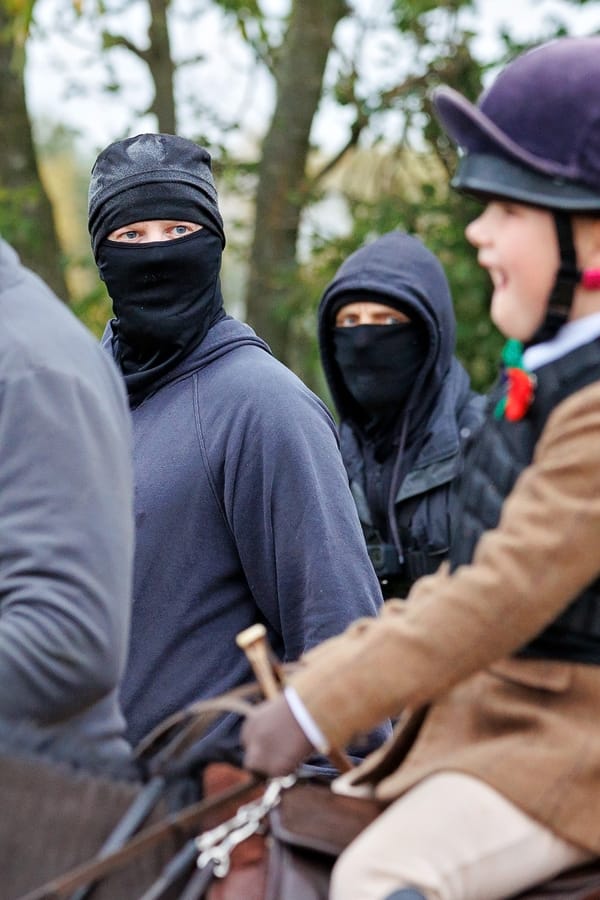
The contrast couldn’t be sharper. On one side are rural communities who stand in silence at village memorials beside the names of their own fallen, because duty, loyalty and gratitude are how they were raised. On the other is a movement, and its wealthy friends, that spends its winters in balaclavas chasing hunts, and for whom the November calendar seems to start and end with the hunting season.
The countryside remembers. Those who claim to speak for its wildlife could learn something from its people.