If Foxes Had a Vote

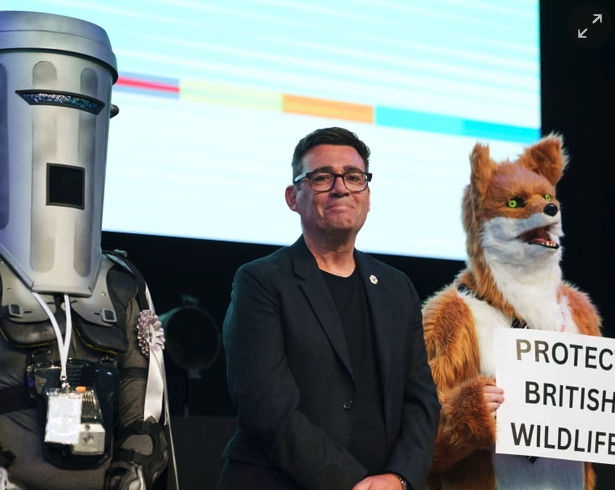
Rob Pownall promised the Makerfield by-election would be a "national platform" to end hunting with hounds. The voters of Makerfield returned a verdict: 18 of them agreed.
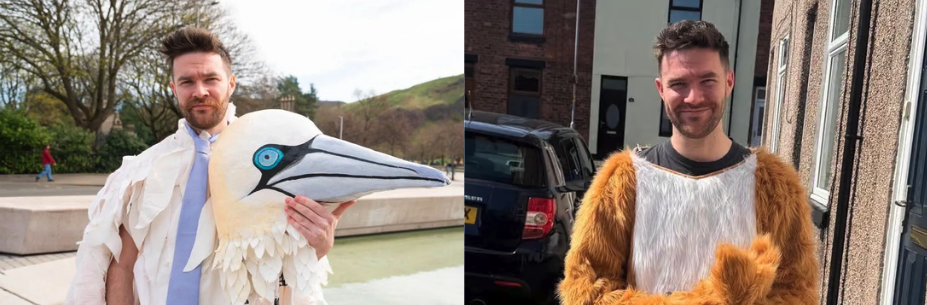
For weeks, the founder of Protect the Wild told anyone who would listen that the Makerfield by-election was his chance to force the hunting question into the national spotlight. It was, in his own words, "a national platform" to pressure the Government into banning trail hunting and hunting with hounds. He pulled on a fox costume, scurried around the constituency, and framed the contest as a referendum on an issue his movement insists commands overwhelming public backing.
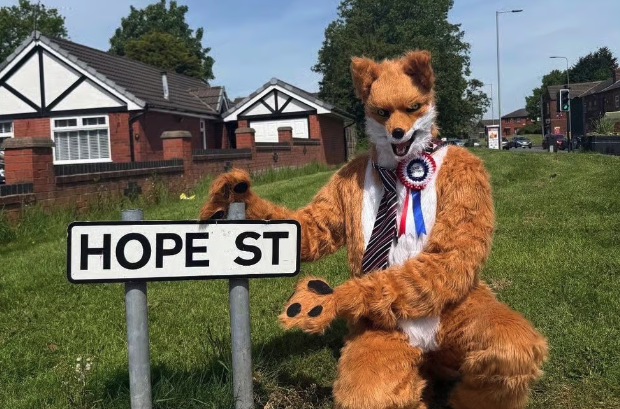
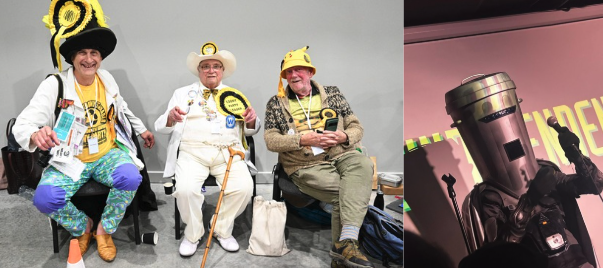
On 18 June, that backing was counted. Andy Burnham was returned to Parliament with 24,927 votes. Pownall, the man who had made the whole exercise about a “single burning national priority”, finished on 18, joint second last in a field of fourteen, behind a man with a bin on his head and the leader of the Monster Raving Loony Party. Count Binface stood on a manifesto that promised, among other things, to conscript anyone caught using a speakerphone on public transport. He took 95 votes, beating Pownall more than five to one.
This was not a low-turnout afterthought of an election. It was one of the most closely watched by-elections in recent British history, fought over Burnham's ambitions and Labour's leadership, with more votes cast than the seat had drawn in some previous contests. The electorate showed up and declined, in their tens of thousands, to treat the end of trail hunting as the question of the hour.
That matters, because the central claim of the anti-hunting lobby has always been one of numbers: that the public is overwhelmingly behind a ban, and that only cowardly politicians stand between the country and the abolition it craves. Pownall offered Makerfield the purest possible expression of that argument: a single-issue candidate, asking voters to make their feelings known. Eighteen of them did.
It is, of course, possible to stand in an election to "raise awareness" rather than to win, and Pownall will no doubt say that was always the point. He has form for it: the same campaign, in a different costume, played out at the Scottish Parliament elections, where he stood dressed as a giant gannet. But there is a catch. A platform built explicitly on the premise of vast public support invites the public to confirm it, and when the public is handed the ballot paper and responds with eighteen votes, the awareness raised is not quite the awareness intended.
45,476 people turned out to vote. Eighteen of them backed Pownall.